Are Code Reviews the Backbone of High Quality Software or Just an Underrated Superpower?
Mobrio Studio
Engineering teams that scale with clarity, quality, and confidence
Are Code Reviews the Backbone of High Quality Software or is it just an Underrated Superpower in Software Engineering
You ever wonder how you are clueless about your own code, even after staring at it for hours.
That's exactly what code reviews are for.
Your code is not just for machines, it is for the next developers who will work on it too.
Your project must be readable and predictable, but your product can definitely be unpredictable.
The Biggest Myth: “Code Reviews Slow Us Down”
This is what you hear in teams struggling with deadlines:
- •“We don’t have time for reviews.”
- •“Just push it, we’ll fix it later.”
But here’s the reality:
Skipping reviews doesn’t save time.
It just shifts the cost into the future but multiplied by 10.
AT&T saw a 90% drop in defects and a 14% spike in productivity after mandating reviews.
Great teams don’t ship faster because they write better code.
They ship faster because they review code better.
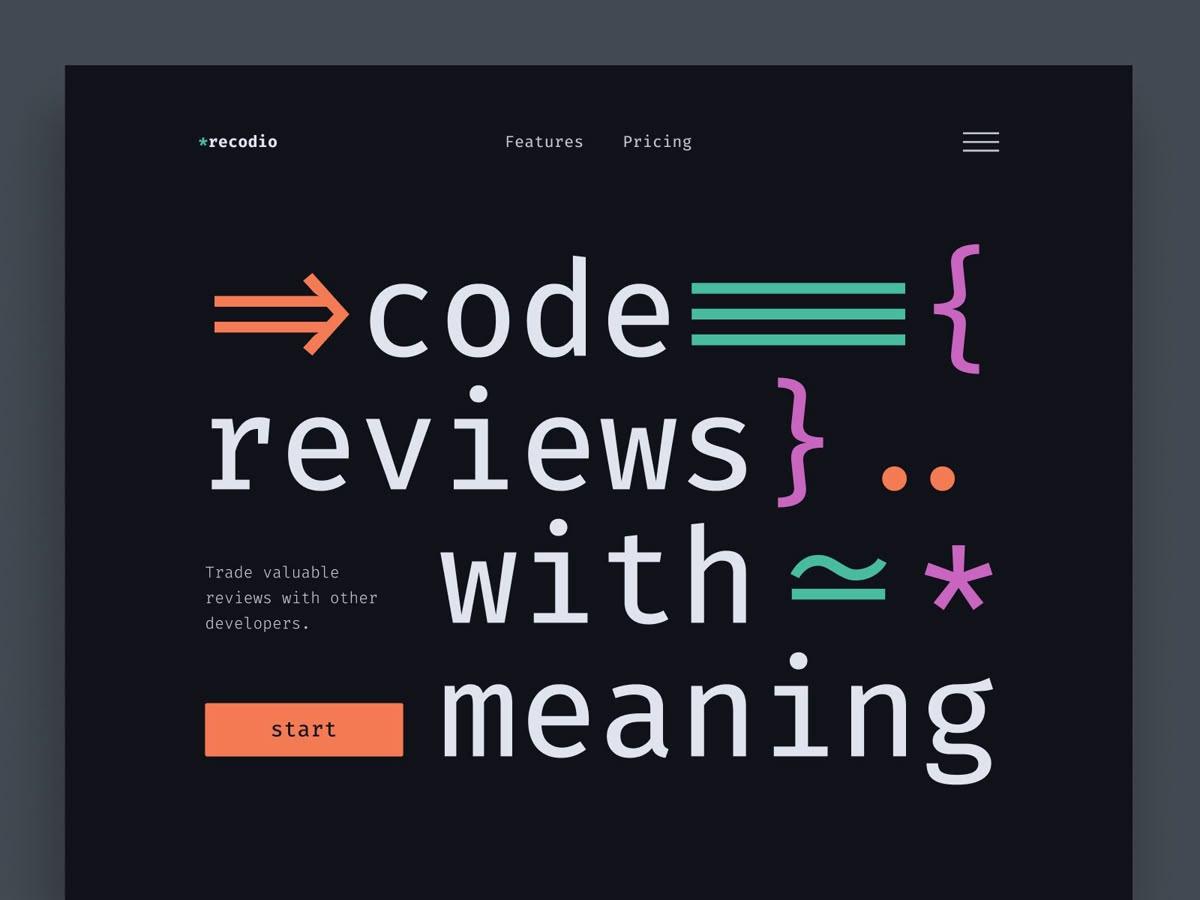
Code reviews without vision are just unnecessary
A fact about code reviews is that they serve three main purposes at the same time.
1. They Prevent Bugs Before They Happen
We have noticed that bugs are always caught by the second pair of eyes (obviously the second code reader), because the code writer had to focus on various other problems.
They tend to catch:
- •Logic mistakes
- •Missing validations
- •Risky shortcuts
- •Unnecessary declarations
- •Misinterpreted requirements
Much faster.
2. They Maintain Consistency Across the Codebase
Honestly, projects don't fail because your one file is bad or not correct.
They fail partially because your codebase changes at different folders and files.
Reviews make sure you have:
- •Uniform naming patterns
- •Consistent file structures
- •Architecture rules
- •Coding standards
Inconsistency is chaos, and reviews are needed to clean up this chaos.
3. They Transfer Knowledge Across the Team
Code reviews are free training sessions.
A smarter approach, a cleaner abstraction, and many other things are often overlooked.
If your team is neglecting code reviews, you are just accumulating more ignorance.
Let’s Talk About the Most Spoken Aspect in Today’s Tech World
AI
Is AI also capable of reviewing codes?
Yes, definitely.
AI can review codes, in fact sometimes much more efficiently than humans.
- •AI can summarise Pull Requests
- •AI can catch bugs
- •AI can suggest improvements (Example: GitHub Copilot)
- •AI can check your code even without you running it (Tools like SonarQube, Pylint)
But here is the catch.
AI can only review your code, but only humans can review decisions.
A reviewer need not read the code, they read the context behind the code.
Only a human reviewer can understand the user, the team, the architecture, the business need, the future roadmap, and all the other unnamed factors for a product to be successful.
AI can’t completely do that.
Not yet at least.
What Great Code Reviews Actually Check
Great code reviews work by answering these important questions:
Correctness
Does the code actually solve the right problem?
Security
Are there any risks?
Are there any missing validations?
Readability
Will someone understand this code 6 months later?
Performance
Is there anything unnecessarily heavy in the codebase?
Maintainability
Will changing this component break 5 other things?
Testing
Are the important scenarios covered?
These checks prevent disasters more effectively than any tool.

There’s nothing as good as having another software developer review your code
What Makes a Good Code Review
Now the real question is:
How do you identify if your review is good or not?
Be Specific, Not Vague
Adding comments like “This is wrong” is definitely not a good take.
Why is it wrong?
What was your perception?
What can be done instead?
That is exactly how developers take it.
Compare it with:
“This function handles too many responsibilities. Consider splitting them.”
This comment defines the problem and suggests a fix.
Focus on the Code, Not the Coder
Avoid personal criticism.
Keep it technical.
Your only intention must be the success of your product.
Offer Alternatives
When suggesting a better solution, explain:
- •Why it is better
- •How it improves the code
Keep Reviews Short but Precise
Small review sizes lead to cleaner and more accurate reviews.
The Real Mindset Shift
It’s your team against bad code.
Not reviews against the team for bad code.
Code reviews should never feel like attacks.
They must always feel like collaboration.
What Makes Code Reviews Powerful
What makes your review different is the mindset.
“We build this together, not alone.”
Code reviews create alignment which AI tools still can’t replicate.
A team reviewing code is a team thinking together.
The Emotional Side of Code Reviews (Yes, It Matters)
Code is personal.
A review feels like someone is inspecting your brain.
That’s why great reviewers:
- •Ask questions, not accuse
- •Suggest improvements, not demand them
- •Praise good work, not only highlight issues
- •Explain the “why,” not just the “what”
- •Keep ego out of the room
Final Thought
Code reviews are not about pointing out flaws.
They’re about building confidence, clarity, and mastery in the team.
Code reviews are where engineering quality is enhanced and elevated.
They are not optional.
They are essential.
And the teams who master them become unstoppable.
CTA
From vibe-coded chaos to production-ready mobile systems.
We help teams rescue unstable mobile apps and refactor legacy systems.
New is now newer. Good is now better.
Why would you want to stay constant and not change?
We help startups stabilize vibe-coded apps, modernize legacy mobile systems, and migrate to Kotlin Multiplatform — combining AI-driven efficiency with performance-first engineering, backed by experience at India’s largest scale.
Don’t wait. Get started now for your product to be on top.
📩 Schedule a call here: info@mobriostudio