What Startups Get Wrong About 'Optimize Later'
Mobrio Studio
Your trusted partner in refactoring and scaling code
What Startups Get Wrong About “Optimize Later”
The real startup killer isn’t slow code — it’s delayed cleanup.
Many founders proudly say “Speed over Perfection”, believing that's all “optimize later” means.
The answer? No. Not even close.

MVPs Are Good — But Being “Just Human” Isn’t Enough
Yes, build fast. Yes, ship early. Yes, validate with users.
That’s what every founder does.
But to survive in today’s competitive world, you can’t just be any human — you must be a smart one.
Most founders confidently think:
“We’ll fix it after launch.”
Reality?
You rarely get that time.
Once users come in:
- •Bugs pile up
- •New requests flood
- •Pressure increases
- •Deadlines shrink
Suddenly… “Later” never comes.
And that’s when things break.
The Dangerous Misinterpretation of “We’ll optimize later”
Founders assume optimization can always wait.
What they don’t realize:
You’re not just delaying improvements. You’re building a shaky foundation.
Over time, these small inefficiencies silently:
- •slow you down
- •frustrate your team
- •increase costs
- •and limit your ability to scale
You won’t realize when…
Those “Tiny Later Fixes” turn into Huge Now Nightmares
Real Consequences of Delaying Optimization
When “later” keeps stretching:
- •Performance drops
- •Systems become complicated
- •Teams slow down
- •Code becomes harder to touch
Unoptimized MVPs and poor decisions make the “no market need” failure even more likely.
42% of startups fail due to no market need — CB Insights
And that’s not the only problem.
Technical Debt: The Silent Startup Killer
The longer you delay improvements, the more expensive they become.
Technical debt compounds.
- •Fixing early is cheap
- •Fixing late is painful
Stripe Engineering reports startups spend: 20–30% of their time just fixing previous mistakes
That’s:
- •time lost
- •momentum lost
- •focus lost
Instead of building the future, you keep repairing the past.
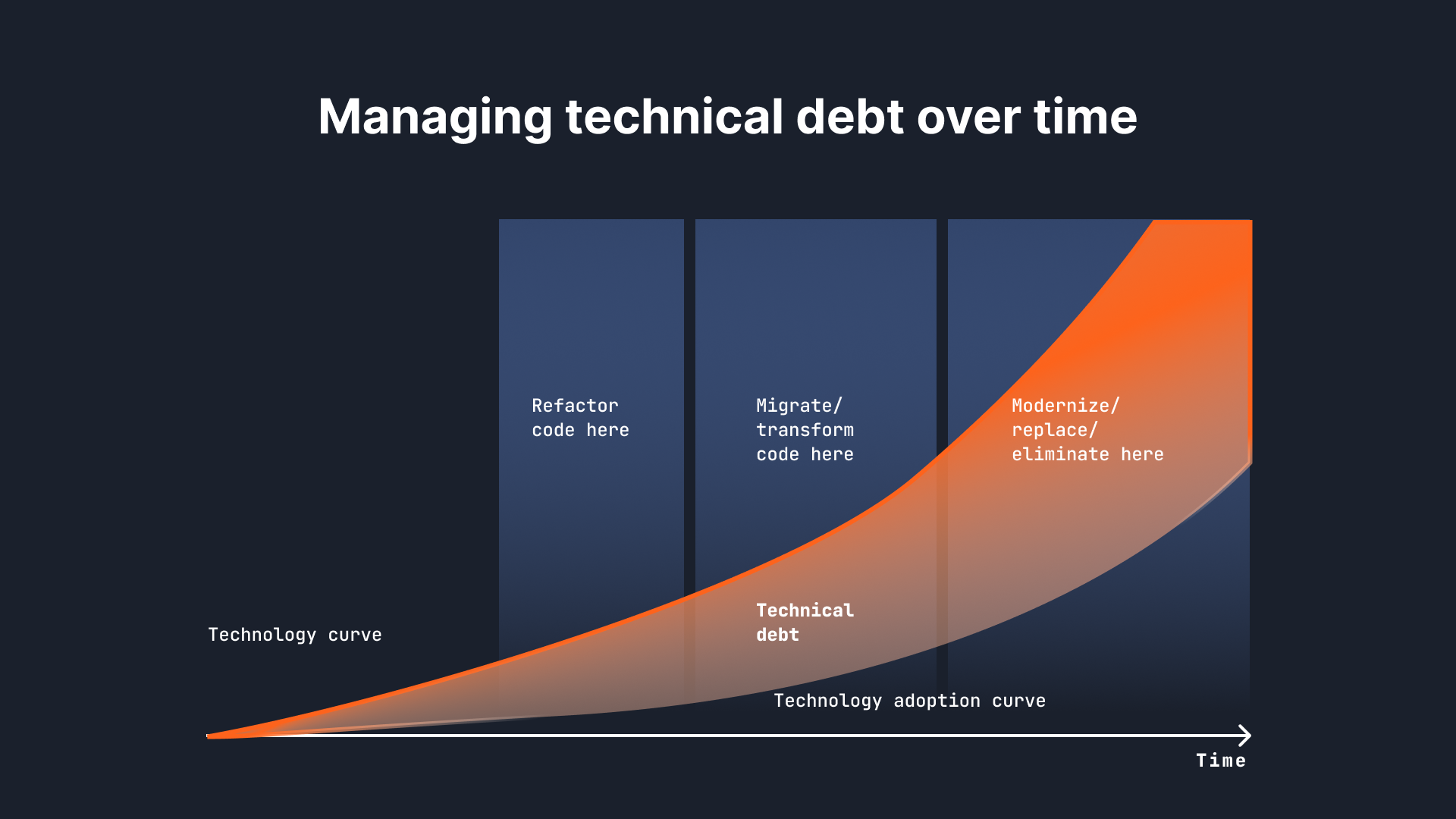
The Cost of Technical Debt
Optimize Smart — Not Blind
Optimization without validation is useless.
The key? Prioritize what matters.
Founders must learn to differentiate between:
“Good Enough MVP” vs “Carelessly Built MVP”
MVP means:
- •Minimum
- •Viable
- •Product
Not:
- •Messy
- •Broken
- •Placeholder forever
Ship fast — but refine consistently.
A “to-do list of later fixes” that never gets touched? That’s not strategy. That’s self-sabotage.
The Rule Founders Forget
“Consistency over Intensity”
One giant push doesn’t build winning products.
Small, regular refinements do.
Those “later” improvements? They cannot sit forever. Because a stagnant MVP never becomes a product — it remains just… an MVP.
Final Thought
Don’t delay growth. Don’t delay improvement. Don’t delay the things that determine your survival.
Ready to Scale Properly?
If you want to ensure your product doesn’t collapse under its own weight…
If you want to stabilize, refactor, optimize, and scale intelligently…
We help startups:
- •fix unstable systems
- •reduce technical debt
- •optimize performance
- •improve code and architecture
- •prepare for scale
Don’t wait. Start now — because “later” rarely comes.